
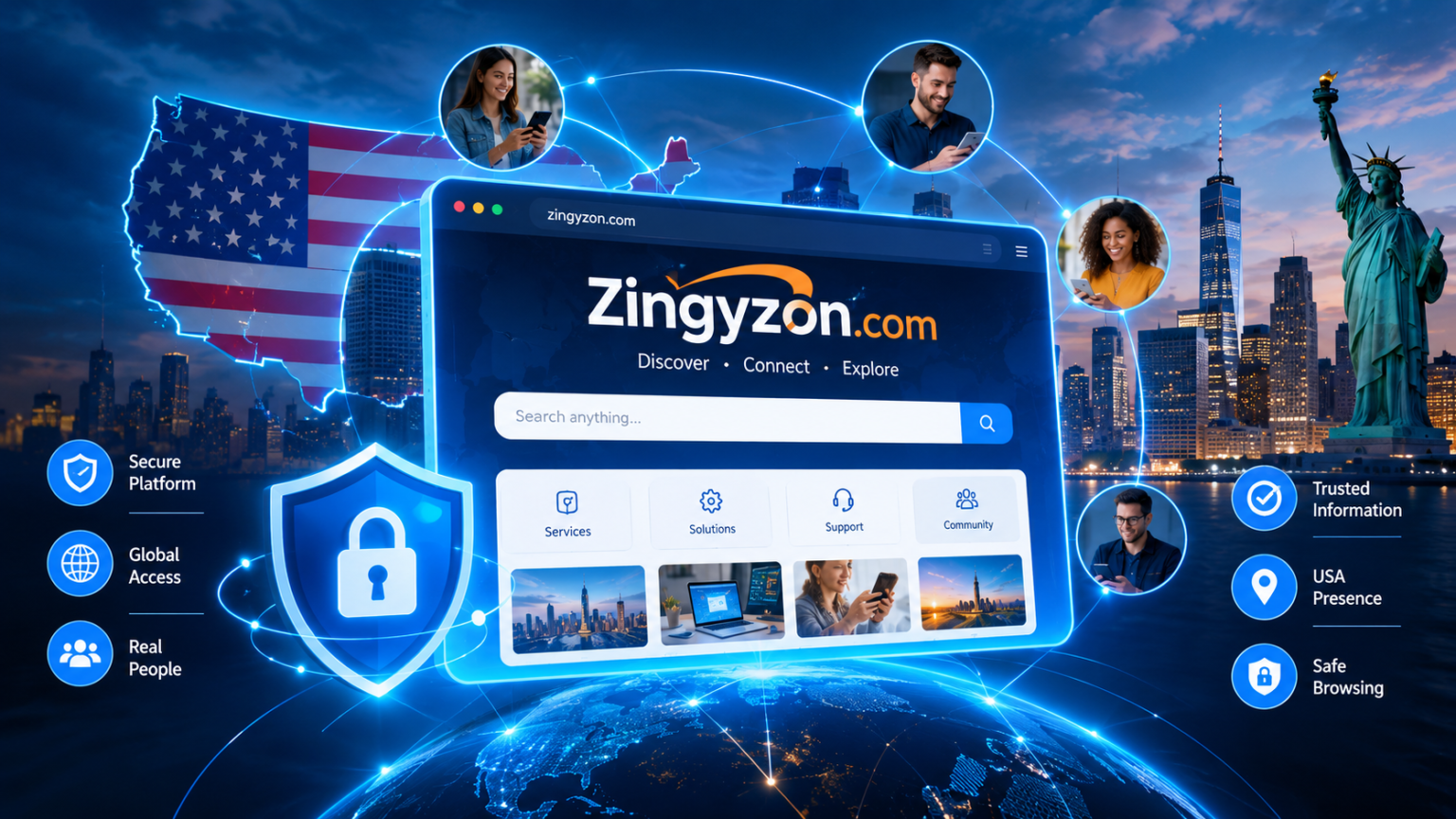

What Is Zingyzon.com?
Zingyzon.com in USA is a web-based platform that has attracted attention from users searching for information about its purpose, services, and online presence. Unlike a traditional company biography, a website profile needs a different approach. Users usually want to know what the platform offers, who operates it, whether it serves American visitors, and what they should check before using it.
The name Zingyzon may appear unfamiliar to many internet users. That makes basic verification especially useful. Website visitors often look at domain information, page content, contact details, security signals, and independent references before trusting an unfamiliar platform.
A careful review should separate confirmed information from assumptions. Claims about ownership, location, business registration, revenue, or services should come from reliable public sources rather than unsupported website descriptions.
Zingyzon.com at a Glance
| Detail | Information |
|---|---|
| Website | Zingyzon.com |
| Primary Focus | Online platform / website |
| Geographic Interest | United States |
| Domain | zingyzon.com |
| Target Audience | Online users |
| Business Details | Should be verified through public records |
| Current Status | Check the live website before use |
Understanding Zingyzon.com and Its Online Identity
A website’s identity usually develops through its domain, published content, branding, and public references. Zingyzon.com can therefore be examined through the same basic framework used for other unfamiliar online platforms.
The first question concerns its stated purpose. Visitors should identify the site’s main pages and determine what service or information the platform actually provides. A clear website normally explains its products, services, policies, or intended audience.
The second question involves ownership. A domain name alone does not establish who owns a business. WHOIS information can sometimes provide registration details, although privacy protection may hide the underlying registrant.
Business directories and government records can provide additional evidence. For a company claiming to operate in the United States, users can also check relevant state business databases.
The third area is contact information. A legitimate commercial platform generally provides some method of communication. That may include an email address, contact form, telephone number, or physical business information.
However, contact information should not be treated as proof by itself. Details can be copied or created easily. Independent confirmation remains valuable.
Zingyzon.com in the USA: What Users Should Check
American visitors may have different expectations from international users. Privacy, payment security, consumer protection, and business transparency can all matter when evaluating an unfamiliar website.
Start with the site’s security certificate. A secure HTTPS connection protects information during transmission. It does not, however, prove that the company itself is trustworthy.
Next, examine the privacy policy. The document should explain what information the website collects and how that information is used. Payment-related websites deserve additional attention because financial details require stronger safeguards.
Terms and conditions also deserve a close reading. These pages may explain refunds, account restrictions, subscriptions, disputes, or limitations on service.
Users should also check whether the site makes specific claims about its American operations. Phrases such as “USA-based” or “available in the United States” need supporting evidence when they imply a registered American business.
Independent reviews can provide useful context. Yet reviews should be considered carefully. A single positive or negative comment cannot establish the overall reputation of a website.
Features, Usability, and Visitor Experience
The user experience of an online platform depends heavily on its design and functionality. Visitors normally expect clear navigation, readable content, working pages, and transparent instructions.
A useful website should make its primary purpose obvious. Visitors should not have to search through multiple pages to understand what the platform does.
Mobile compatibility is another important factor. Many American users access websites through smartphones. A responsive interface can therefore affect accessibility and convenience.
Page performance also matters. Slow loading times can make even a useful website frustrating to navigate. Broken links, repeated redirects, unexplained pop-ups, and excessive advertising may also reduce confidence.
Content quality provides another clue. Professional websites usually maintain consistent branding and clear information. Frequent grammatical errors, contradictory company details, or vague service descriptions may justify additional research.
These signals are not automatic proof of fraud or legitimacy. They are simply indicators that help users decide how much verification is appropriate.
Safety and Trust Considerations
Visitors should avoid sharing sensitive information until they understand the platform. This includes passwords, banking credentials, government identification numbers, and unnecessary personal documents.
Payment requests deserve particular attention. Users should understand the total cost, billing frequency, refund conditions, and payment processor before completing a transaction.
A website’s age can also provide context. Older domains may have a longer public history, while recently created domains require more caution simply because less information exists.
Search results can help establish that history. News coverage, independent reviews, company registrations, social profiles, and archived pages may reveal how a website has developed over time.
Users should also avoid assuming that a professional-looking design guarantees authenticity. Modern templates can make almost any website appear established.
The strongest assessment comes from several independent signals pointing in the same direction.
Current Status and Online Relevance
Zingyzon.com’s relevance in the USA depends on its current content, availability, audience, and business activity. These factors can change quickly.
A domain may change ownership. Services may be added or removed. Contact information can change. Even a website’s entire purpose can shift over time.
For that reason, users should verify current information directly before relying on older articles or social-media discussions.
Search interest can also change independently from actual business activity. A website may receive temporary attention without having a large established user base.
The most useful approach is therefore evidence-based. Check what the website currently publishes, then compare those claims with independent sources.
What Users Can Learn From Zingyzon.com
- Verify first: Check ownership and business information.
- Read policies: Review privacy and payment terms carefully.
- Protect data: Share only information that is necessary.
- Compare sources: Use independent references before trusting claims.
Disclaimer: This article is intended solely for educational and informational purposes. Website details, services, ownership information, and availability may change over time. Readers should verify current information through official records, the live website, and reliable independent sources before making decisions.
Read more:Jeffrey Brezovar Biography: The Private Life Behind a Famous Family
