
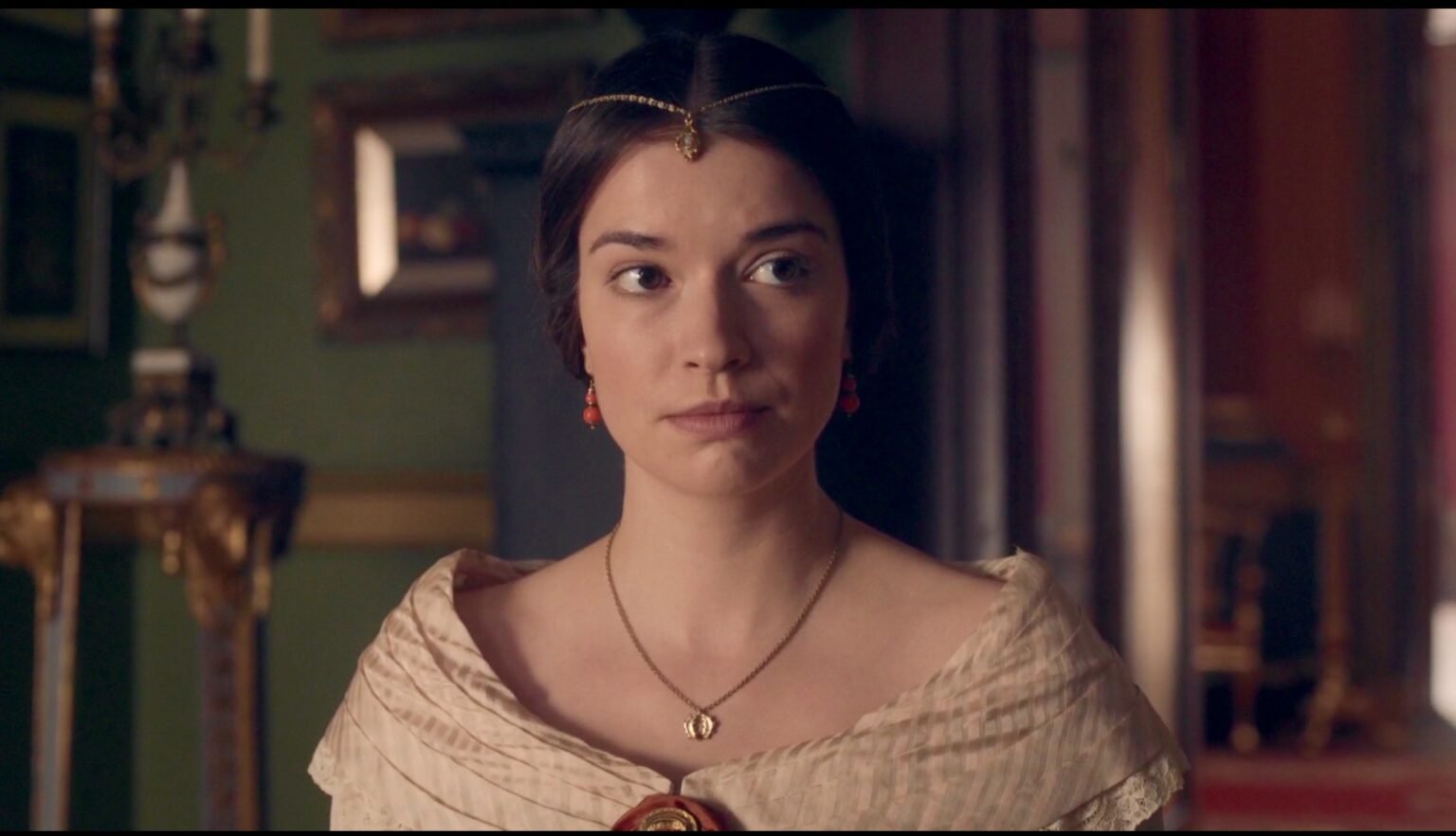

Marie Fargus was a behind-the-scenes television and film professional whose career was connected with several well-known British productions. Unlike actors whose faces become familiar to viewers, Fargus worked in the production department, where much of the important work happens away from the camera. Her professional credits include Victoria, Peaky Blinders, Jonathan Strange & Mr Norrell, The Witness for the Prosecution, A Brilliant Young Mind, and Scintilla.
For many people, the name Marie Fargus became interesting because it appeared in connection with the historical drama Victoria. That naturally led viewers to wonder whether she was an actress, a character in the story, or someone connected to the royal family depicted in the series. In reality, her role was part of the production team. Her career is a useful reminder that a television show is created by a much larger group of people than the performers seen on screen.
Marie Fargus at a Glance
| Quick Information | Details |
|---|---|
| Name | Marie Fargus |
| Industry | Film and television |
| Main field | Production department |
| Known for | Victoria, Peaky Blinders, Jonathan Strange & Mr Norrell |
| Notable role | Production coordinator |
| On-screen actress? | No |
IMDb’s available professional record places Marie Fargus in both the production department and transportation department. Its credits show her working as a production coordinator on Victoria across 16 episodes during 2016–2017, while other credits show earlier work as a production secretary and assistant production coordinator.
This career history is important because it gives us a clearer picture of who Marie Fargus actually was. She was not simply a name that appeared in the credits of one television series. Her listed work stretches across different productions and different responsibilities, showing a progression within the production side of the British television industry. That makes her story less about celebrity and more about the people who quietly keep television productions working.
“Behind every television performance is a team of people the audience may never see.”
Marie Fargus is a good example of that often-overlooked side of entertainment. While viewers usually remember the actors, writers, directors, and characters, production professionals handle many of the practical details that allow those creative elements to come together. Her credits show that she was part of that wider production network for years.
Was Marie Fargus an Actress?
No. Marie Fargus was not an actress on Victoria. Her available professional credits place her within the production department rather than the acting cast. This distinction matters because some online discussions have incorrectly treated her as though she were a character from the series.
Her work was instead connected with the organization and coordination of productions. A production coordinator can work across many areas of a project, helping departments communicate, keeping production information organized, and supporting the practical running of a shoot. The exact duties can vary from one production to another, so it is better not to assume that every responsibility associated with the job was personally handled by Fargus. What can be established from her credits is that production coordination was an important part of her professional career.
That difference also explains why someone can become the subject of public curiosity without ever appearing on television. A viewer may notice a person’s name in the credits, search for it, and discover that the person helped create the program rather than perform in it. In Marie Fargus’ case, that curiosity eventually focused attention on a professional career that had largely remained outside the public spotlight.
Quick Facts About Marie Fargus
- She worked behind the camera, primarily in production.
- Her credits include several British television and film projects.
- She worked as a production secretary earlier in her career.
- She later received production coordinator credits.
- Victoria is one of the productions most strongly associated with her name.
- Her professional record also includes Peaky Blinders and Jonathan Strange & Mr Norrell.
The most reliable way to understand who Marie Fargus was is therefore to look at her professional record rather than treat her like a conventional celebrity biography. Much of the personal information circulating online is difficult to verify, while her production credits provide a clearer and more dependable picture of her work. That distinction will become especially important when looking at her career, her connection to Victoria, and later questions about what happened to her.
Marie Fargus’ Early Career and Background
Very little reliable public information is available about Marie Fargus’ early personal life, including her childhood, education, or family background. That is worth mentioning because many online biographies fill these gaps with specific dates and personal details, but those details are not consistently supported by strong primary or industry sources. For an accurate Marie Fargus biography, it is safer to focus on the part of her life that can actually be traced through professional records: her work in British film and television production.
Her career shows a gradual movement through different production responsibilities rather than an overnight rise to recognition. Available credits place her in production-related work on projects including Heartbeat, DCI Banks, Monroe, Inspector George Gently, and Peaky Blinders. This progression gives us a useful picture of how a behind-the-scenes television career can develop. A person may begin with administrative production duties and, through experience, take on increasingly responsible coordination work.
Marie Fargus’ Early Production Work
One interesting fact about Marie Fargus is that her career was not limited to one type of television program. Her credits cover different genres and production styles, from long-running British television dramas to more specialized projects. That variety matters because production staff need to adapt to the particular demands of every project. A period drama, a crime series, and a modern television production can require very different schedules, locations, crew arrangements, and administrative systems.
Her earlier credits also help explain how she eventually reached production coordinator positions. IMDb lists her as a production secretary on six episodes of Peaky Blinders in 2013 and credits her with production coordination work on Inspector George Gently in 2012. It also lists her as an assistant production coordinator on A Brilliant Young Mind and as a production coordinator on Scintilla
| Period | Production | Documented role |
|---|---|---|
| 2012 | Inspector George Gently | Production coordinator / assistant production coordinator |
| 2013 | Peaky Blinders | Production secretary |
| 2014 | A Brilliant Young Mind | Assistant production coordinator |
| 2014 | Scintilla | Production coordinator |
| 2015 | Jonathan Strange & Mr Norrell | Production coordinator |
| 2016 | The Witness for the Prosecution | Production coordinator |
| 2016–2017 | Victoria | Production coordinator |
This timeline is one of the most useful ways to understand Marie Fargus’ professional background. Instead of focusing only on the production that made viewers curious about her, it shows that she had already built experience across several projects. Her career therefore represents years of behind-the-scenes work rather than a single television credit.
Marie Fargus’ Television and Film Career
The professional record of Marie Fargus includes a surprisingly broad collection of British television and film projects. IMDb currently lists 13 production-department credits and one transportation-department credit for her. Among the better-known titles are Peaky Blinders, Jonathan Strange & Mr Norrell, Victoria, The Witness for the Prosecution, A Brilliant Young Mind, and Scintilla.
What makes these credits particularly interesting is the variety of productions involved. Peaky Blinders became one of Britain’s most recognizable crime dramas, while Jonathan Strange & Mr Norrell was a fantasy period drama based on Susanna Clarke’s novel. Victoria, meanwhile, was a large historical drama centered on Queen Victoria. Working across projects with such different creative identities required the practical skills associated with production coordination, including organization, communication, scheduling, and keeping different parts of a production connected.
Marie Fargus and Peaky Blinders
Marie Fargus is credited as a production secretary on six episodes of Peaky Blinders in 2013. The series began in 2013 and later became a major international success. Her credit belongs to the production side of the show rather than its acting cast.
This is an important distinction when researching Marie Fargus online. Someone seeing her name connected with Peaky Blinders may assume she appeared in the series, but the available credit information does not support that interpretation. Her role was part of the team responsible for making the production function behind the camera.
Marie Fargus and Jonathan Strange & Mr Norrell
Another notable credit is the BBC television adaptation of Jonathan Strange & Mr Norrell. IMDb’s episode-level credits identify Marie Fargus as a production coordinator across the series. The seven-part production had a large international crew, with separate production, transportation, property, finance, and other departments.
This credit is especially useful because it demonstrates the scale of the work associated with her position. Production coordination is not simply a matter of making a few phone calls or arranging a meeting. On a complex drama, many departments must operate according to the same production schedule. A coordinator helps support that larger system so that creative teams can concentrate on filming.
Marie Fargus and A Brilliant Young Mind
Marie Fargus also received an assistant production coordinator credit on A Brilliant Young Mind, the 2014 film also known as X+Y. IMDb lists the film among her production credits.
This project adds another useful piece to the picture of her career. Rather than working exclusively in television, Fargus was involved with film production as well. Moving between film and television can provide production professionals with experience in different working structures, schedules, and logistical demands.
Other Marie Fargus Credits
Her documented credits extend beyond the best-known titles. They include work connected with productions such as Inspector George Gently, Monroe, DCI Banks, Heartbeat, and The Witness for the Prosecution.
Interesting fact: Marie Fargus’ credits show a progression from production-secretary and assistant-coordination work toward full production-coordinator positions. That progression is one of the clearest indicators of her professional development.
What Did Marie Fargus Do as a Production Coordinator?
A production coordinator is one of those television jobs that viewers rarely think about because the work is mostly invisible. Actors perform in front of the camera, directors may receive public recognition, and writers receive credit for the story. Production coordinators, however, work in the background to help the many moving parts of a production stay organized.
The exact duties can differ depending on the production and company, so it would be misleading to claim that every task associated with the job was personally performed by Marie Fargus. Generally, production coordination can involve communication between departments, paperwork, schedules, arrangements for crew members, production information, and practical support for the wider production office. Her documented title tells us the level and area of her work, while the specific daily responsibilities would have depended on each production.
Why Production Coordinators Matter
Imagine a historical drama that has to manage actors, costumes, sets, locations, transport, camera crews, makeup teams, props, and hundreds of other details. If one department does not know when another department needs something, filming can slow down quickly. Even small scheduling problems can affect an entire day’s work.
That is why production coordination matters. It connects the administrative and practical side of filmmaking with the creative side. Marie Fargus’ credits show that she worked within this important part of the industry, helping explain why her name appears in the credits of productions that audiences know well.
Marie Fargus’ Contribution Behind the Camera
The safest way to describe Marie Fargus’ contribution is through her documented professional roles rather than making assumptions about private working relationships or specific achievements. Her credits establish that she worked as a production coordinator on several significant productions, including Jonathan Strange & Mr Norrell, The Witness for the Prosecution, and Victoria.
That may sound less dramatic than the story of an actor becoming famous, but it represents an important type of entertainment career. Television depends on large teams, and many of those professionals never become recognizable to the audience. Their names may appear briefly during the credits, even though their work is essential to the finished program.
Interesting fact: A television credit can reveal an entire career path even when almost nothing about a crew member’s private life is publicly documented.
Why Is Marie Fargus Associated With Victoria?
The strongest reason people search for Marie Fargus today is her connection with the ITV historical drama Victoria. IMDb credits her as a production coordinator on 16 episodes between 2016 and 2017. This makes Victoria one of the most substantial individual entries in her documented professional record.
For viewers, however, the connection can be confusing. Marie Fargus was not a character in the story of Queen Victoria, and there is no evidence from her professional credits that she was part of the acting cast. Her connection was behind the camera. She was part of the production team that helped the television series come together.
The Marie Fargus Victoria Connection Explained
Victoria was a historical drama built around the early life and reign of Queen Victoria. A production of this kind requires much more than actors and cameras. Historical costumes, locations, props, transportation, schedules, crew members, and multiple departments all need to work together.
A production coordinator operates within this wider system. Therefore, when viewers find Marie Fargus and Victoria mentioned together, the important point is that she was part of the team behind the series. Her name represents the often-unseen workforce that supports what viewers eventually see on screen.
Why Did Viewers Become Curious About Marie Fargus?
The curiosity surrounding Marie Fargus illustrates something interesting about television credits. Most people skip through the end credits because they want to move on to the next program. But when a particular name is highlighted or remembered, viewers may stop and ask who that person was.
In Marie Fargus’ case, this curiosity led people to search for her career and personal story. That search has produced a mixture of reliable professional information and less certain claims. The best-supported part of the story remains her production career, which is documented through screen credits.
The Human Side of Television Credits
There is something meaningful about seeing the name of a production professional after watching a television drama. It reminds viewers that entertainment is made by real people working together for long periods of time.
Marie Fargus’ story is therefore not only about one person. It also shows how television credits can preserve the names of professionals who worked away from the spotlight. Even when audiences never saw her on screen, her professional contribution became part of the production history of several recognizable projects.
What Happened to Marie Fargus?
This is one of the most searched questions surrounding Marie Fargus, but it is also the part of her story that requires the most care. Several recent websites state that she died in 2017 and provide specific personal details about her life and death. However, those claims are not equally supported by authoritative public records, and some appear to repeat information found on other websites rather than providing independent documentation.
Because of that, an accurate article should not turn an unverified claim into a fact. The professional record establishes that Marie Fargus worked on Victoria during 2016–2017, but her public IMDb record by itself does not establish a cause of death, circumstances of death, or detailed personal biography. Readers should be cautious when websites present those details without identifying a reliable source.
What Is Publicly Known About Marie Fargus’ Death?
The online discussion around Marie Fargus commonly connects her name with a death in 2017. Some recent articles go further and give an exact age, birth year, and circumstances. However, these details should be treated carefully because the sources making the claims are relatively recent secondary websites rather than clearly identified primary records.
The responsible approach is to separate documented career information from information that cannot currently be independently confirmed. It is reasonable to say that her name has become associated online with a 2017 death, but it is not responsible to invent or repeat a cause of death simply because multiple low-authority websites mention the same story.
Marie Fargus Death and Online Rumors
Search results about Marie Fargus include dramatic wording such as “mysterious disappearance” and claims about what happened to her. Such headlines can make a story appear more certain or sensational than the available evidence actually allows.
This is an important lesson for anyone researching a person with a limited public biography. Repetition does not automatically make information true. If ten websites copy the same claim from one original article, the claim may still have only one underlying source. For Marie Fargus, her professional credits are much easier to verify than many of the personal details circulating online.
Why Is There Confusion About Marie Fargus?
The confusion comes partly from the fact that she was a private, behind-the-scenes professional rather than a celebrity with years of interviews and public biographies. When a person suddenly becomes the subject of online searches, there may not be enough established material to answer every question.
This creates an information gap. New websites may try to fill that gap by adding details, but those details are not necessarily verified. For readers, the best method is to focus on information supported by recognizable industry records and to clearly label uncertain claims as uncertain.
Important fact: There is a major difference between saying “some websites report this” and saying “this is confirmed.” A trustworthy biography should preserve that difference.
Marie Fargus’ Legacy and Why People Still Search for Her
Marie Fargus’ legacy is closely connected to the work she did away from the camera. Her documented credits place her on several British productions that continue to attract viewers, including Peaky Blinders, Jonathan Strange & Mr Norrell, Victoria, and The Witness for the Prosecution.
Her story is especially interesting because it shows how an ordinary credit can become meaningful years later. Most viewers do not know the names of production coordinators, production secretaries, transport staff, or production assistants. Yet these people form a large part of the workforce that turns a script into a finished television program.
The Importance of Behind-the-Scenes Television Professionals
A television production is similar to a large machine. The audience sees the final result, but hundreds of small processes happen underneath it. If schedules are not organized, locations are unavailable, equipment does not arrive, or departments cannot communicate properly, the creative work can be affected.
Production professionals help keep these systems moving. Marie Fargus’ career demonstrates that this type of work can extend across many productions and can develop through increasing levels of responsibility. Her professional path is therefore valuable not only as a biography but also as a glimpse into how the entertainment industry works.
Marie Fargus’ Professional Legacy
The strongest evidence for Marie Fargus’ legacy is her collection of professional credits. They show involvement with productions ranging from Peaky Blinders to Jonathan Strange & Mr Norrell and Victoria. IMDb’s current record identifies her in production and transportation departments and lists multiple production-coordination positions.
That career deserves attention even without turning her into a celebrity figure. Marie Fargus represents the large group of professionals whose names appear in television credits but whose personal lives remain largely private. Her work reminds viewers that successful television is always a team effort.
What Can We Learn From Marie Fargus’ Story?
The most interesting lesson is that not every important person in entertainment is famous. A person does not need to appear on screen to have a meaningful career in television. Production offices, coordinators, assistants, transport teams, costume departments, editors, and countless other professionals all contribute to the final product.
Marie Fargus also shows why online biographies should be approached carefully. Her career can be discussed with reasonable confidence because her professional credits are available. Personal details require a higher standard of evidence. Keeping those two categories separate makes the story more accurate and more respectful.
Frequently Asked Questions About Marie Fargus
Who was Marie Fargus?
Marie Fargus was a British film and television production professional who worked behind the scenes rather than as an on-screen performer. Her documented credits include production roles on Peaky Blinders, Jonathan Strange & Mr Norrell, The Witness for the Prosecution, Victoria, A Brilliant Young Mind, and Scintilla. Her work included production-secretary and production-coordinator positions, showing professional progression within the industry. She became particularly associated with Victoria, where she is credited as a production coordinator across 16 episodes. Because her career was largely behind the camera, viewers may not recognize her name immediately. Much of the current interest in Marie Fargus comes from people discovering her name through television credits and then searching for information about her career.
Was Marie Fargus an actress in Victoria?
No, Marie Fargus was not an actress or a character in Victoria. Her documented credit on the series is in the production department, where she worked as a production coordinator. This means her contribution took place behind the camera rather than as part of the acting cast. Production coordinators help support the practical organization of a television project, although their exact duties can vary between productions. The confusion probably comes from people discovering her name through the credits and assuming that every person listed there appeared on screen. In reality, television credits include hundreds of people working in many different departments, and Marie Fargus belonged to that behind-the-scenes production team.
What shows did Marie Fargus work on?
Marie Fargus’ documented screen credits include several recognizable British television and film productions. Among the most notable are Peaky Blinders, Jonathan Strange & Mr Norrell, Victoria, The Witness for the Prosecution, A Brilliant Young Mind, and Scintilla. Her earlier professional credits also include productions such as Inspector George Gently, Monroe, and DCI Banks. Her roles varied, with credits including production secretary, assistant production coordinator, and production coordinator. This range is important because it shows that her career developed over time rather than being connected to only one successful television series. Her professional record therefore provides a much clearer picture of her career than many of the personal claims currently circulating online.
What was Marie Fargus’ job?
Marie Fargus worked in television and film production, particularly in production coordination. A production coordinator generally supports the organization of a production and helps different departments work together efficiently. Depending on the project, this can involve production paperwork, schedules, communication, logistics, and practical arrangements. It is important not to assume that every possible duty associated with the position was personally performed by Fargus, because responsibilities differ between productions. Her documented credits, however, clearly place her in production roles rather than acting roles. Her progression from production secretary and assistant coordinator work toward production coordinator positions also provides an interesting example of how a career in television production can develop.
What happened to Marie Fargus?
This is the most difficult question to answer with complete certainty because information about Marie Fargus’ personal life is limited. Several recent websites state that she died in 2017 and provide additional details, but those claims are not all supported by clearly identified authoritative sources. Her professional credits establish that she worked on Victoria during 2016–2017, but those credits alone do not verify a cause of death or the detailed circumstances sometimes described online. Therefore, readers should be careful with articles that present dramatic claims as established facts. The most reliable information about Marie Fargus remains her documented television and film career, including her production work on several notable British productions.
Final Thoughts on Marie Fargus
The story of Marie Fargus is different from a typical celebrity biography. She was not known because she appeared on television or built a public career as an entertainer. Instead, her professional record places her among the production professionals who worked behind the scenes on several recognizable British productions.
Her credits on Peaky Blinders, Jonathan Strange & Mr Norrell, The Witness for the Prosecution, Victoria, and other projects show a career built around production work.
What makes her story especially interesting is the curiosity surrounding a person whose work was largely invisible to viewers. Once people encounter a crew member’s name in the credits, they may want to know the person behind it. In that sense, Marie Fargus became an example of how television credits can bring attention to the people who usually remain outside the spotlight.
The most responsible way to remember her professional story is to focus on what can be established: she worked in film and television production, developed experience across several productions, and held production-coordination roles on notable British projects. At the same time, personal claims that cannot be independently verified should remain clearly identified as uncertain.
That balance makes the story more useful for readers. It tells us not only who Marie Fargus was professionally, but also why the people working behind the camera deserve recognition.
Read more :Age Debby Clarke Belichick: The Untold Story Behind Bill Belichick’s Former Wife
