
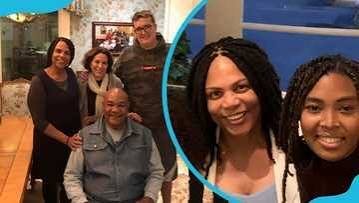

A famous surname can obscure the person carrying it. Dorothy Bowles Ford often appears through two familiar introductions. She is Harold Ford Jr.’s mother. She is also former congressman Harold Ford Sr.’s former wife. Official congressional histories establish both connections. [Insert U.S. House Historical Biography Reference Link Here] history.house.gov
Yet this Dorothy Bowles Ford biography begins with her work. The House historian identifies her as a longtime USDA employee. ABC News also connects her work with school lunch improvements. That gives her story an independent public-service foundation. [Insert ABC News Reference Link Here] history.house.gov
Her significance lies in that combination: employment, family, and civic participation. Her husband became Tennessee’s first Black member of Congress. Their eldest son later succeeded him. Dorothy’s documented life intersects with both generations. [Insert U.S. House Historical Biography Reference Link Here] history.house.gov
Her record deserves attention without borrowed achievements or invented intimacy.
Dorothy Bowles Ford Biography at a Glance
| Profile field | Documented information |
|---|---|
| Full Name | Dorothy Bowles Ford; also referenced as Dorothy Jean Bowles |
| Date of Birth | Not established by the authoritative sources reviewed |
| Place of Birth | Not securely established |
| Nationality | American; her documented life centers on the United States |
| Key Profession | Longtime U.S. Department of Agriculture employee |
| Major Awards/Achievements | No individual major award verified; documented government work and CBC Spouses participation |
| Former Spouse | Harold Eugene Ford Sr. |
| Marriage | February 10, 1969; divorce in 1999 |
| Children | Harold Eugene Ford Jr., Newton Jake, and Sir Isaac |
Profile sources: U.S. House historical biographies, Contemporary Black Biography, and Congressional Black Caucus Foundation archives. [Insert Official Biography and Archive Reference Links Here] history.house.gov
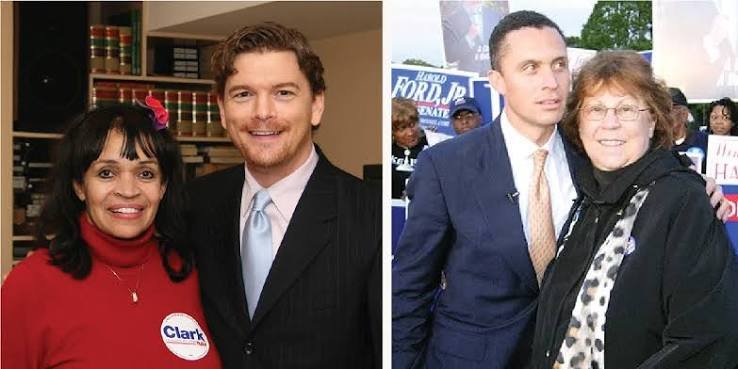
The Early Years: Where the Record Begins
Dorothy’s childhood remains largely outside the available authoritative record. Her parents’ identities, childhood home, and school history remain unverified. The sources reviewed provide no dependable account of early struggles. They also do not establish a birth date.
That limits what can responsibly be said about her foundations. A Memphis family connection does not prove a Memphis birthplace. Her husband’s educational qualifications do not describe her education. Claims about childhood ambitions need evidence of their own.
The first clear personal milestone is her marriage. Dorothy Bowles married Harold Eugene Ford on February 10, 1969. The House historian records the date. Contemporary Black Biography identifies her as Dorothy Jean Bowles. [Insert U.S. House Historical Biography Reference Link Here] history.house.gov
Their eldest son, Harold Eugene Ford Jr., arrived in Memphis. He was born on May 11, 1970. Two more sons completed their three-child family: Newton Jake and Sir Isaac. [Insert U.S. House Family Biography Reference Link Here] history.house.gov
Those names establish the immediate family. They do not reveal household routines or private relationships. No reviewed interview supplies Dorothy’s account of early motherhood. Descriptions of her parenting style therefore require caution.
Memphis to Washington: A Family Enters National Politics
Harold Sr.’s election in 1974 changed the family’s public circumstances. He entered Congress in January 1975. His service continued until January 1997. His election marked a historic breakthrough for Black representation in Tennessee. [Insert U.S. House Congressional History Reference Link Here] history.house.gov
Dorothy’s family life now intersected with national political history. Her husband held elected office; she maintained a separate professional identity. These were different forms of participation in public life.
One remembered scene captures the next generation’s early interest. According to the House biography, Dorothy recalled her son’s reaction. At his father’s first congressional swearing-in, the four-year-old announced: “This is what I want to be when I grow up.” [Insert U.S. House Attributed Recollection Reference Link Here] history.house.gov
The family moved to Washington during the late 1970s. Harold Jr. attended St. Albans School for Boys there. His educational path later included Pennsylvania and Michigan universities. Those institutions belong to his biography, not Dorothy’s credentials. [Insert U.S. House Harold Ford Jr. Reference Link Here] history.house.gov
Dorothy’s recollection offers a rare glimpse of her voice. It records a specific moment rather than a sweeping personality judgment. It also shows why family testimony matters in political biography. Institutional records establish careers; remembered scenes can explain how ambitions began.
Her Own Career: Government Work and School Nutrition
The strongest employment evidence points to the Agriculture Department. The official House biography describes Dorothy’s service as long-term. It does not provide her job title or employment dates. [Insert U.S. House Employment Reference Link Here] history.house.gov
ABC News adds a more specific detail. Its August 15, 2000 profile discussed Harold Jr.’s political background. The report identified Dorothy’s work improving school lunch programs. It placed that work within the Department of Agriculture. [Insert ABC News Reference Link Here] ABC News
That contemporary reporting gives her career substance. School nutrition concerns children’s daily lives, not campaign visibility. Its presence in her record broadens the usual family-centered description.
Still, the report leaves several questions unanswered. It names no particular program she designed. It supplies no budget, supervisory rank, or measured outcome. Calling her a national program director would exceed the evidence. So would assigning her sole credit for specific reforms.
Some later biographies identify Potomac Electric Power Company employment. The authoritative records reviewed do not substantiate that claim. The documented USDA career should remain the foundation here.
There is also no verified salary or personal net-worth estimate. Government employment does not establish someone’s accumulated wealth. Neither does a prominent relative’s income.
Dorothy’s professional contribution can be described without financial speculation. The available evidence supports sustained employment and school-nutrition work. A fuller career history would require personnel records or direct interviews.
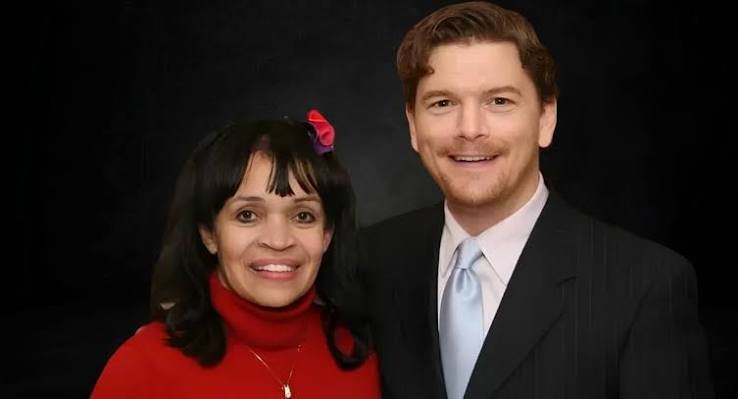
The Archive Adds Another Dimension: CBC Spouses
The Congressional Black Caucus Foundation preserves another identifiable connection. Its 1991 and 1992 programs include Dorothy Bowles Ford. Both place her among Congressional Black Caucus Spouses. [Insert CBC Foundation Archive Reference Links Here] avoice.cbcfinc.org
These records matter because they are contemporary organizational documents. They establish participation beyond retrospective descriptions of family support.
The 1991 program explains the organization’s educational focus. It describes a scholarship fund established in 1988. The fund supported eligible high-school seniors and undergraduate students. The same program discusses public-policy education and community activities. [Insert CBC Foundation 1991 Archive Reference Link Here] avoice.cbcfinc.org
The 1992 program records forums addressing education and health. Subjects included breast cancer and African American mothers educating children. These were organizational activities, not individually attributed Dorothy initiatives. [Insert CBC Foundation 1992 Archive Reference Link Here] avoice.cbcfinc.org
Her inclusion supports a civic-participation claim. It does not establish that she founded the organization. Nor does it establish a leadership title. That distinction preserves the value of the archive’s actual evidence.
Family Change, Public Attention, and Privacy
Public scrutiny also reached the Ford family through Harold Sr. Contemporary Black Biography describes his 1987 federal fraud indictment. It also records his acquittal on all charges in 1993. These proceedings concerned him; they do not establish misconduct by Dorothy. [Insert Contemporary Black Biography Reference Link Here] Encyclopedia.com
Harold Jr. won his father’s congressional seat in 1996. He became the first Black lawmaker to succeed a parent in Congress. That achievement explains another strand of interest in Dorothy. [Insert U.S. House Harold Ford Jr. Reference Link Here] history.house.gov
Her marriage ended in divorce in 1999. The official House history records the year. It supplies no private explanation for the separation. [Insert U.S. House Historical Biography Reference Link Here] history.house.gov
As of October 2026, this research establishes no current occupation. It also does not securely establish her residence or remarriage status. Her birth date remains unverified, so an exact age is unavailable.
Her historical footprint is clearer than her current personal circumstances. Government work, civic participation, and family connections supply the documented legacy. Each deserves its own place in her story.
Lessons From the Documented Life
- Value steady service: Useful work can receive little publicity.
- Keep individual identity: Family prominence should not erase employment.
- Read original records: Archives clarify names, dates, and participation.
- Respect personal boundaries: Missing details should remain unclaimed.
This biography draws on verified public historical records, archival documents, and reputable news reporting, including attributed recollections. It is intended solely for educational and informational purposes. Unverified personal details have been omitted.
Read more: https://anytimepost.com/wp-admin Henry Olyphant: A Creative Life Beyond His Famous Surname
